As a blogger, one of the most important things to me whenever I am doing something that I would like to blog about later is taking a photo. It is great to be able to share things visually – after all, a picture is worth a thousand words (history). This is also one of the most controversial things that can be done, particularly when considering creative rights, content, design, and simple good ethics. Not to mention Personal Security!
One of my most common phrases in this line of work, therefore, is “May I take a photo?”
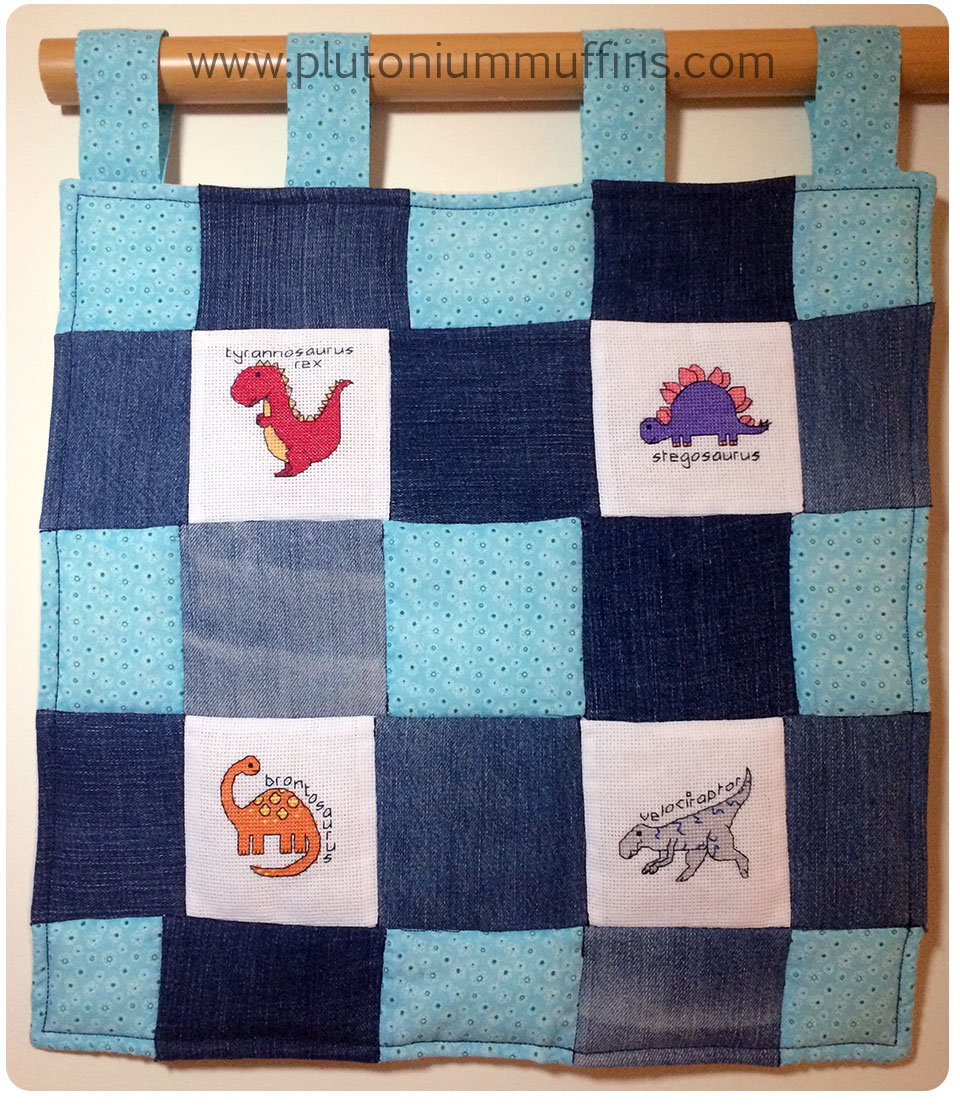
Taking a photo – the tip of the iceberg
Situations in which I find myself taking photos for Plutonium Muffins most regularly include in yarn shops, craft shops, at knit night, and of course, at fibre events. It’s very easy to do. Walk up to somebody, hand them a business card and say “Is it OK if I take some photos of [x] for my blog?”

Very often people are more than happy for bloggers to take photographs of their work, particularly if you explain why, give them a link that shows where the image will be used, and assure them you will give them the relevant credit. It is, after all, free advertising! However, particularly when thinking about designers and copyright, it can also be incredibly damaging.
One example I can think of is from the Spring Knitting and Stitching Show, which I visited a couple of years ago. Walking up and down the aisles, I came upon the most incredible cross stitch designs. Based on art work that the designer had painted, they were intricate, complex and beautiful – and there was a sign specifically saying “do not take photographs”. Although I would have loved to have shared this work with everybody, I can only respect this wish. You should not, after all, go to a book shop and start copying down a book word for word, nor go to a gallery and take photographs of paintings or even other photographs that someone has put hard work into producing. This is no different.
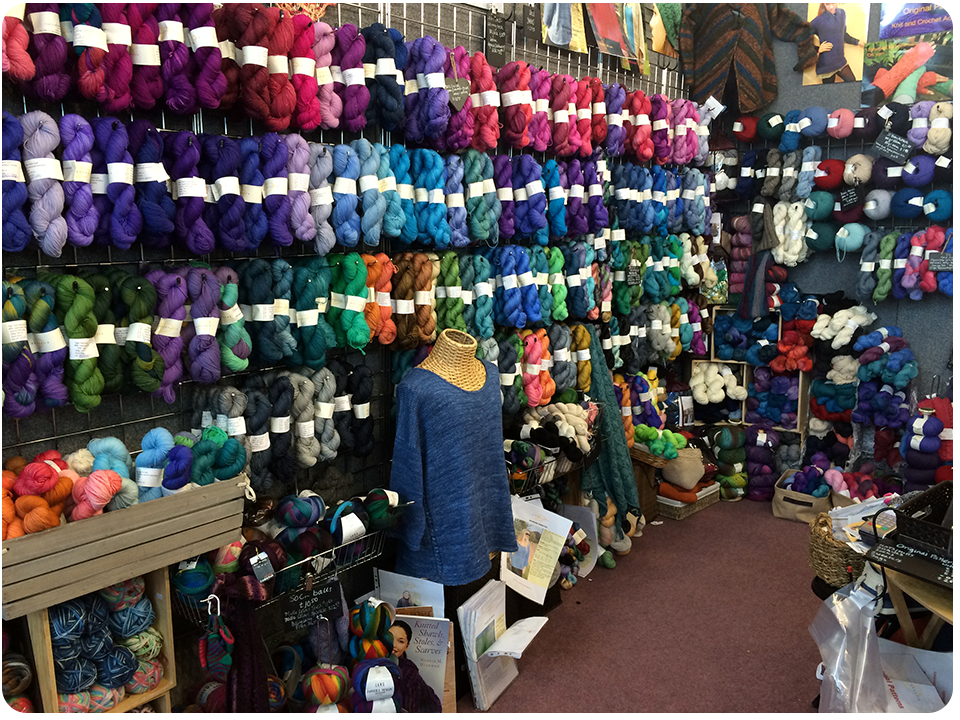
A particularly memorable occasion for me was when I asked a vendor at Unravel whether I could take a photo of her stand. She looked as me as if I were an alien, and I obviously showed some degree of surprise at her reaction, because she hastily stated “In ten years of doing this, you’re the first person who has ever asked”.
It would be easy for someone to photograph a design and reverse engineer it to produce ‘their own pattern’, profiting from another’s work unfairly. This is something that does unfortunately happen – this particularly high profile case shows that many people who should be honourable, simply are not. One puts the owner of ‘work’ in a tricky position when you walk up to the work and just take a photograph – they probably do not want to confront you about it if they are unhappy for you to do this, but in many cases their livelihood may rely on it.

Quite aside from a monetary perspective, as artists and designers, our output turns from ‘objects’, ‘things’ and ‘material’ into parts of our soul, our innermost thoughts and feelings, our time and our lives. These are not things that we should be taking liberties with.
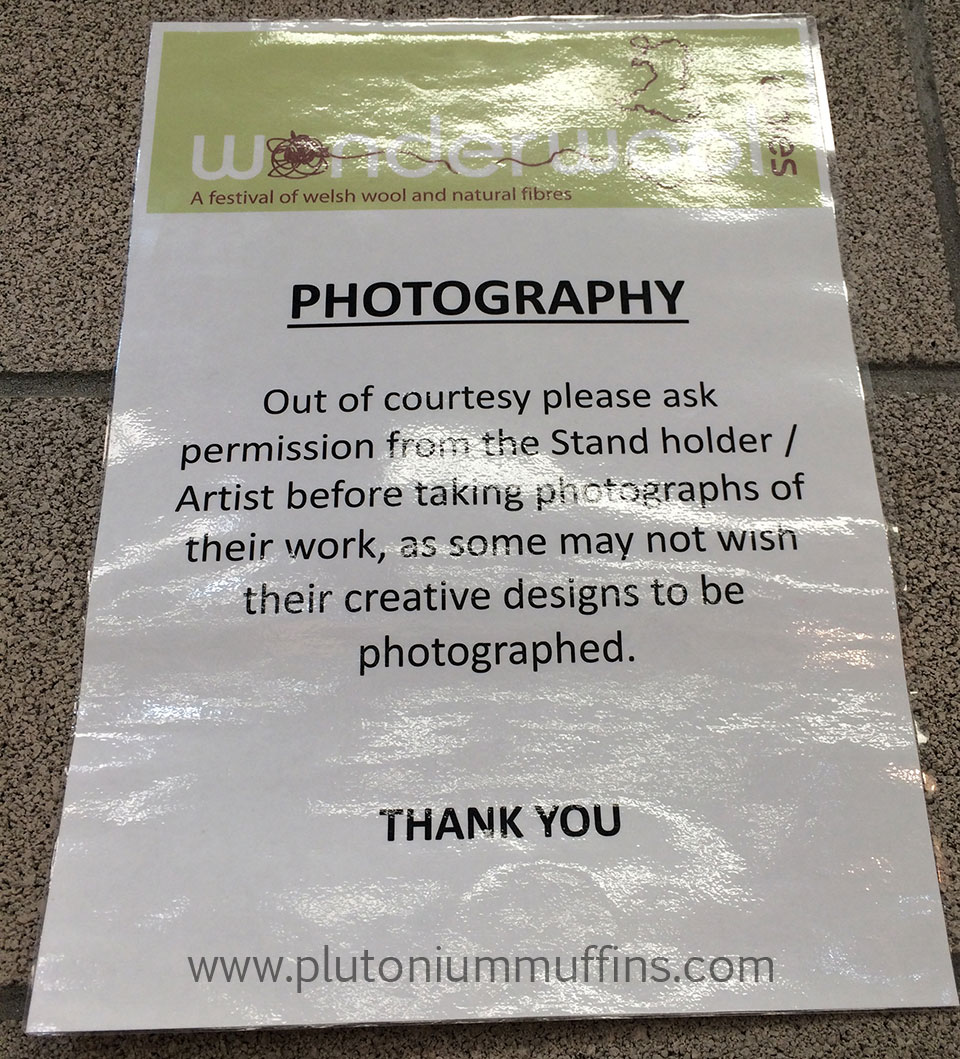
My respect for Wonderwool Wales as a show was hugely increased by these posters that were everywhere. It’s the only show that I have been to that acknowledges this is important to consider in our industry.
Why do people say no?
I’ve been denied the chance to take a photo only twice. The first time, I still don’t understand, as it was in a yarn shop that I wanted to write a review about, and I cannot figure out why the shop owner did not want me to capture the look of the place ‘on film’. Without naming any names, the place was a very popular LYS that appeared all over the web and printed media, and must have had hundreds of photos taken of it over the years it was in operation. The only answer I have come up with is that maybe the displays were being redone, or there was an item with an issue somewhere that I did not know about. The outcome was the same – I didn’t take any photos, and everything was fine.
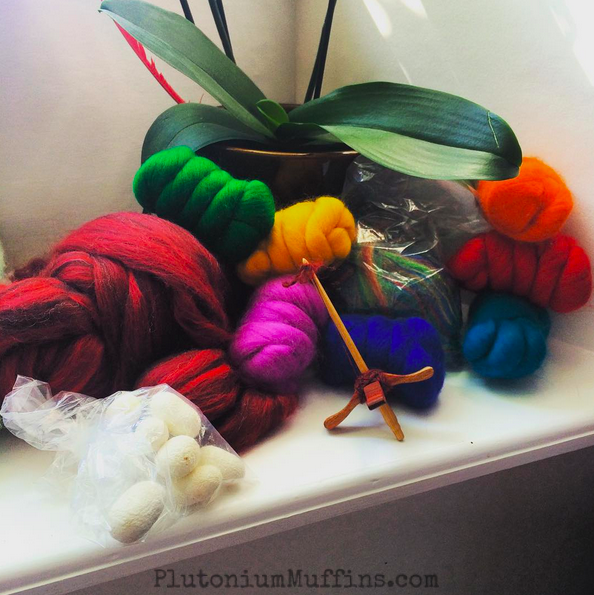
The second time was easier to understand. It was again a shop, but this time a cooperative where many different artists rented the space and sold their wares from that hub. The shop keeper at the time told me she was happy for me to photograph her work, but that I would not be able to take photos of any of the other work as she did not know what the policies of the other artists were. This was very understandable, and my respect for the shop increased at that point as the value of the work was clearly appreciated.
Regardless of the situation, it is just easier to ask. Unless, as in the previous cross stitch example, there are already written instructions, in which case things are more clear-cut.
Stealing One’s Soul with a Photo
With my African heritage, I am aware of the belief that many ancient tribes have that the taking of a photograph can steal a soul. My parents have been on many trips to various parts of Africa and come back with no photos to show us when we plead for them, having been unable to take them. It is considered the height of bad manners for a tourist to take a photo of a local without asking first – would you wish to be responsible for actually stealing someone’s soul? Even if you don’t believe it, they do, and this respect is something that is incredibly important.
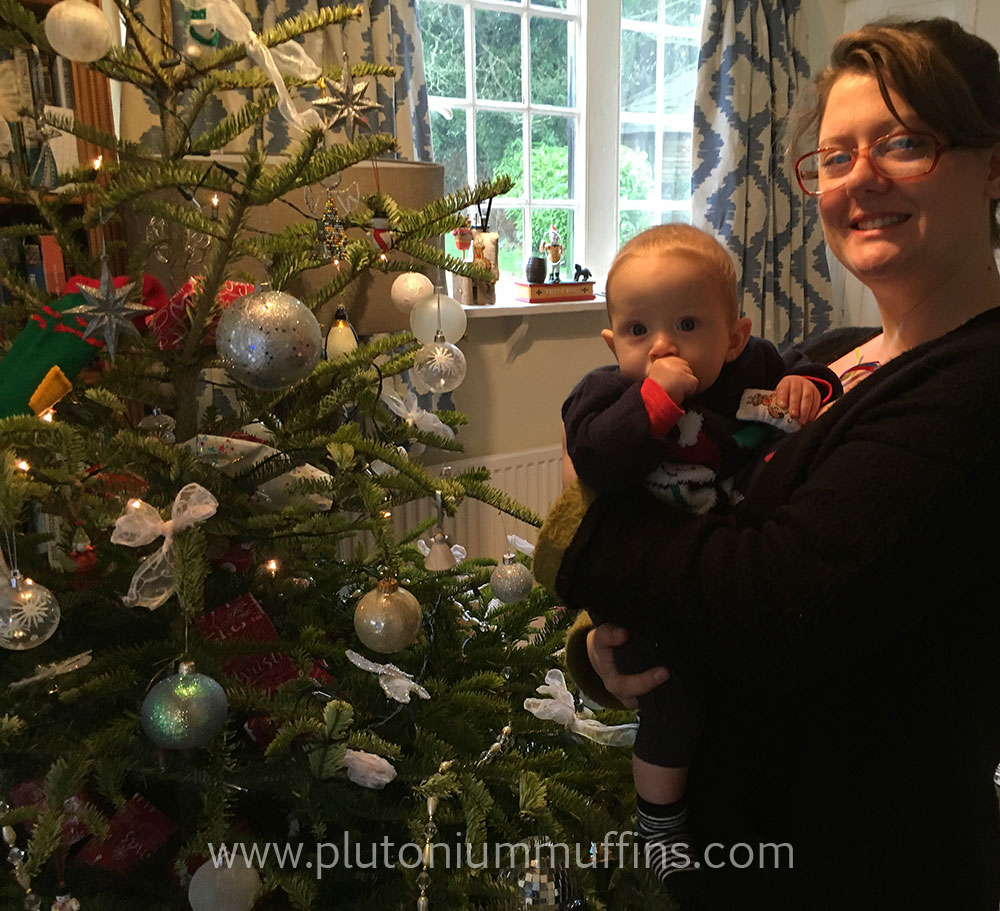
While this is pretty extreme, the issue of personal security is an important one. I do not post photos of people on the blog unless they know I am intending to and have said I can. It can be extremely frustrating – sometimes I have had to delay posts by up to six months before I have managed to get the permission, other times I have had to post without the photos and go back to edit later.
However, if I were to find a photo of myself up that I did not know about, I would not be too pleased. There are usually only two reasons – one, it’s a terrible photo and I didn’t want it up(!), or two, I would have liked to know that photo of me existed and was out in the public domain.
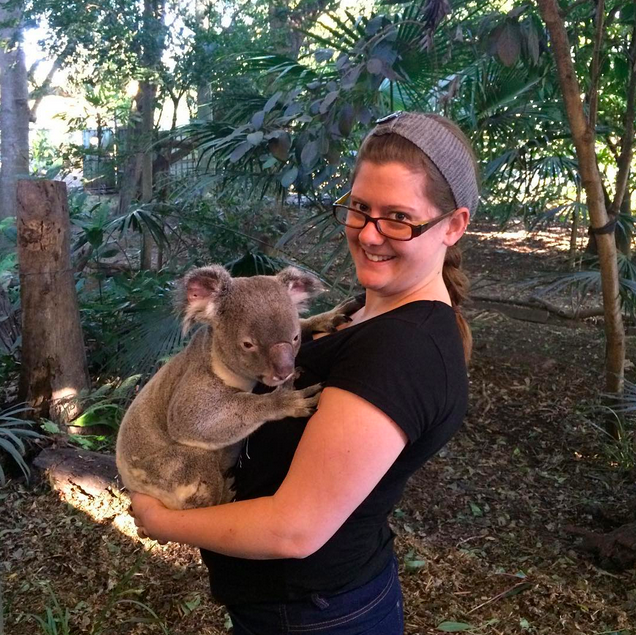
There is a level of common sense in here. If I took a photo of John wearing something I had knitted, I would not ask him if I could use it, as he would know to tell me not to publish it if he didn’t want me to. Equally, if a group photograph was taken when it was clear this was for social media, I wouldn’t bother. In other situations, I would ask every time – John’s nephew is just three months old, and I ask about every photo as the issue of infant privacy is an important one to me.
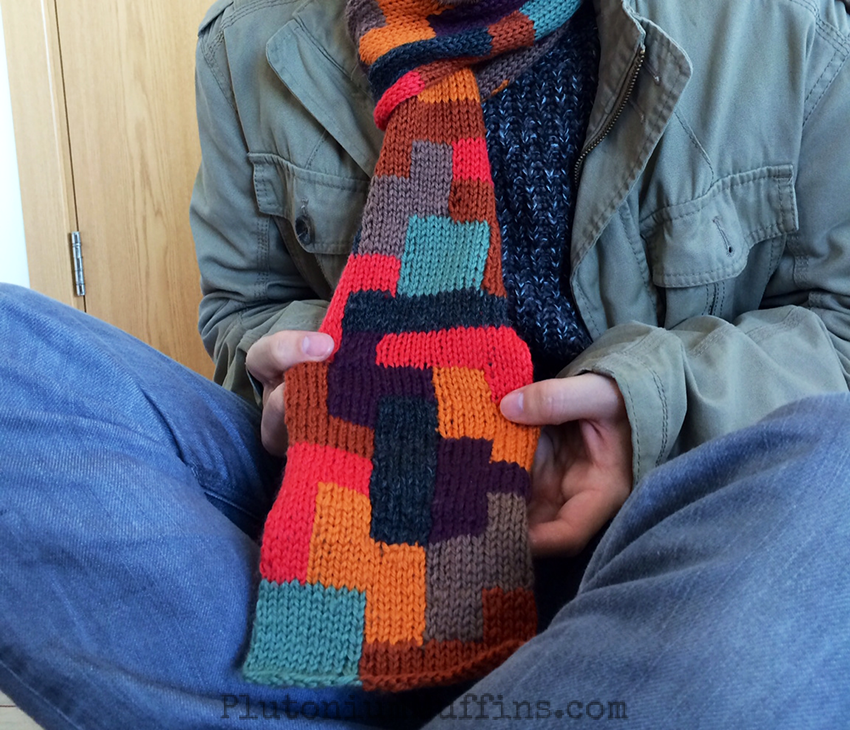
It’s a minefield, when you really get down to it. I have already written over 1,000 words, but I feel that there is so much more to be said. I’ll leave it at this for now – just something to think about the next time you are out and about!
Much love,
Corrie xx